
U.S.-Israel Campaign Against Iran Intensifies as Hezbollah Escalates Missile Barrages
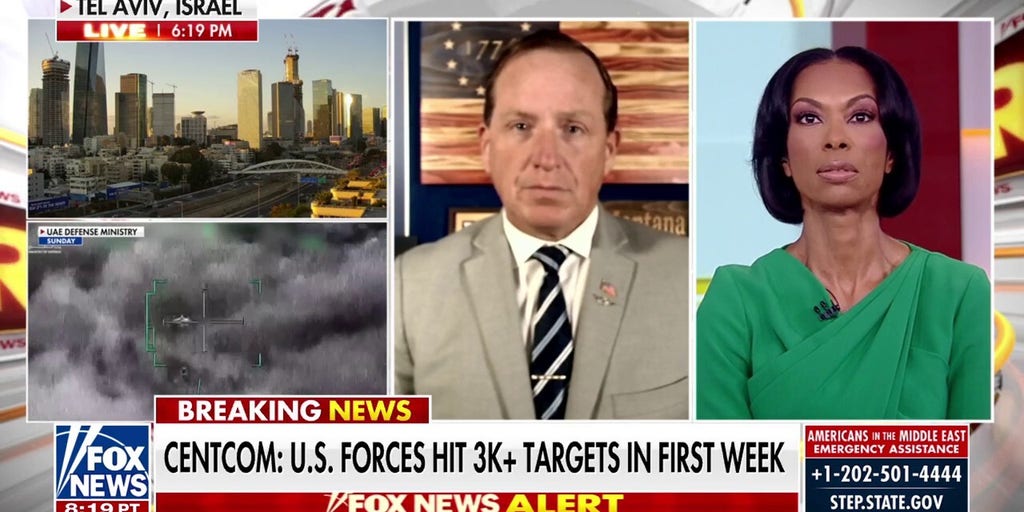
A rapidly expanding Middle East conflict has drawn in more than a dozen nations as joint U.S.-Israeli operations target Iranian military and oil infrastructure, while Hezbollah launches missile barrages at Israeli population centers including Tel Aviv.
The conflict, now in its ninth day, has resulted in nearly 1,800 deaths from U.S.-Israeli strikes on Iran, with additional casualties mounting in Lebanon where Israeli operations against Hezbollah have killed more than 390 people, including 83 children, according to reports compiled from regional sources.
Secretary of State Marco Rubio delivered a stark assessment of the Iranian government, declaring that the U.S. is systematically dismantling Tehran’s capacity to conduct terror operations using ballistic missiles and one-way attack drones.
“This is a TERRORIST government.”
— Secretary of State Marco Rubio
The escalation follows Israel’s March 8 strikes on three oil storage depots and refining facilities in Tehran—the first such targeting of energy infrastructure since the broader campaign launched last week. Israeli forces assaulted approximately 30 Iranian fuel storage facilities on Saturday, a scope that reportedly exceeded U.S. expectations and created the first notable rift between the allied nations since hostilities began.
A U.S. official expressed concern that the infrastructure strikes could strategically backfire. Iranian officials have warned oil prices could reach $200 per barrel if attacks on energy facilities persist—a scenario that would have profound implications for global markets and American consumers.
“We don’t believe it was a wise decision.”
— Unnamed U.S. Official, on scope of Israeli strikes
Retired Lt. Col. Darin Gaub, a former Blackhawk helicopter pilot, projected that Iran’s military capabilities will diminish as the sustained campaign continues, suggesting Tehran will eventually “run out” of weapons and resources to continue the fight. However, the Iranian Revolutionary Guard has claimed capability to sustain at least six months of full-scale high-intensity warfare.
The conflict has grown increasingly complex with Hezbollah’s involvement. Fox News chief foreign correspondent Trey Yingst reported on the latest Hezbollah missile attack on Tel Aviv, as the Iran-backed Lebanese militia demonstrates it retains significant strike capabilities despite Israeli operations against its infrastructure.
Iran’s regime announced the election of a new Supreme Leader on March 8, following reported Israeli vows to eliminate the successor to Ayatollah Ali Khamenei. Iranian Parliament Speaker Mohammad Bagher Ghalibaf warned that Iran will respond “without hesitation” if assaults on infrastructure continue.
International affairs scholars, including Emma Ashford of the Stimson Center, are examining potential pathways to de-escalation as questions emerge about whether diplomatic pressure could force a pullback from the current military trajectory. The Nation reported that critics view the U.S.-Israel campaign as becoming “a much bigger mess than expected.”
Israel Defense Forces maintain that the targeted oil depots are used by the Iranian regime to fuel military sectors, justifying the infrastructure attacks. Large fires were reported across Tehran with smoke visible from considerable distances following the strikes, though Iranian officials claimed blazes were brought under control and gasoline reserves remain sufficient.


