
Thousands Rally Across U.S. in ‘No Kings’ Protests as Military Tensions Escalate
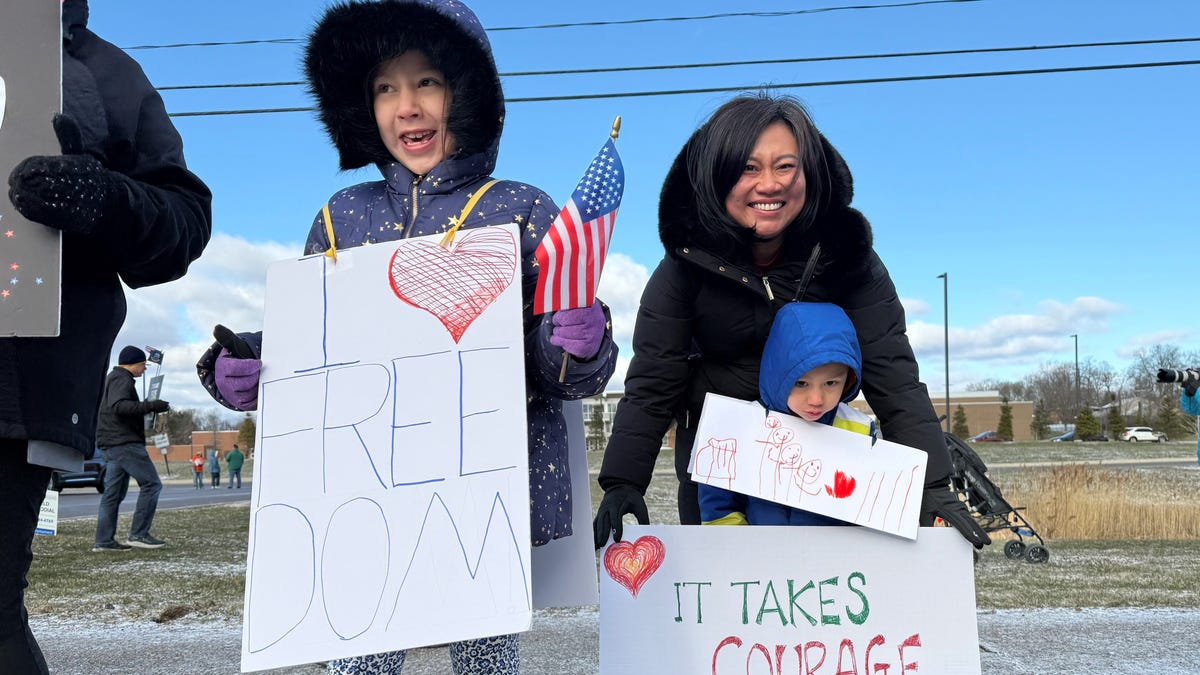
Thousands of demonstrators across the United States took to the streets on Saturday, March 28, 2026, marking the third and largest iteration of the national “No Kings” protests. The rallies, which spanned more than 3,100 planned events nationwide, were organized to challenge the second-term policies of President Donald Trump, drawing broad participation from community groups, retirees, and political candidates.
Protesters gathered in scores of communities—from local neighborhood corners in Michigan to major city centers—to decry what they characterize as imperial executive overreach. Organizers claim the movement aims to “disrupt President Trump’s attempts to rule through repression” and underscore the necessity of people power in maintaining democratic freedoms.
The mobilization arrives at a critical tipping point for the administration. Support for the President has reached its lowest level since his re-election, with a recent Reuters/Ipsos poll placing his approval rating at approximately 36%, down from 47% during his inauguration. In Michigan, the protests were particularly widespread, with over 100 communities participating in events that coincided with partisan political conventions.
Beyond domestic concerns regarding civil rights and immigration enforcement, the rallies served as a unified platform for opposition to escalating military involvement in the Middle East. Recent developments have seen air strikes and what the administration describes as an “excursion” in Iran, following the deaths of 13 U.S. service members and over 200 injuries. Marines and Army paratroopers are reportedly being deployed for an expected ground assault intended to reopen the Strait of Hormuz.
“U.S. service members are getting killed and injured, and the global economy is under attack,” said Don Ufford, a Democratic congressional candidate in Michigan, during a rally in West Bloomfield. “We need to be able to stand up to that — and for our basic rights.”
The White House has remained steadfast in its posture, with officials warning this week that President Trump is prepared to “unleash hell” should diplomatic efforts with Tehran fail to materialize into a deal. Administration spokesperson Abigail Jackson dismissed the widespread dissent, labeling the demonstrations as “Trump derangement therapy sessions” and insisting that the protests hold little relevance beyond media coverage.
The scale of Saturday’s events marks an intensification from previous rallies held in June and October of 2025. The movement has increasingly integrated high-profile political figures and labor interests, with demonstrations in locations like Lansing and Boston featuring state leaders and union support. As the administration balances these growing public protests against the volatile situation in the Persian Gulf, the “No Kings” organizers suggest their coalition will only continue to grow.


