
Peru Confirms Presidential Runoff Amid Mounting Political Tensions
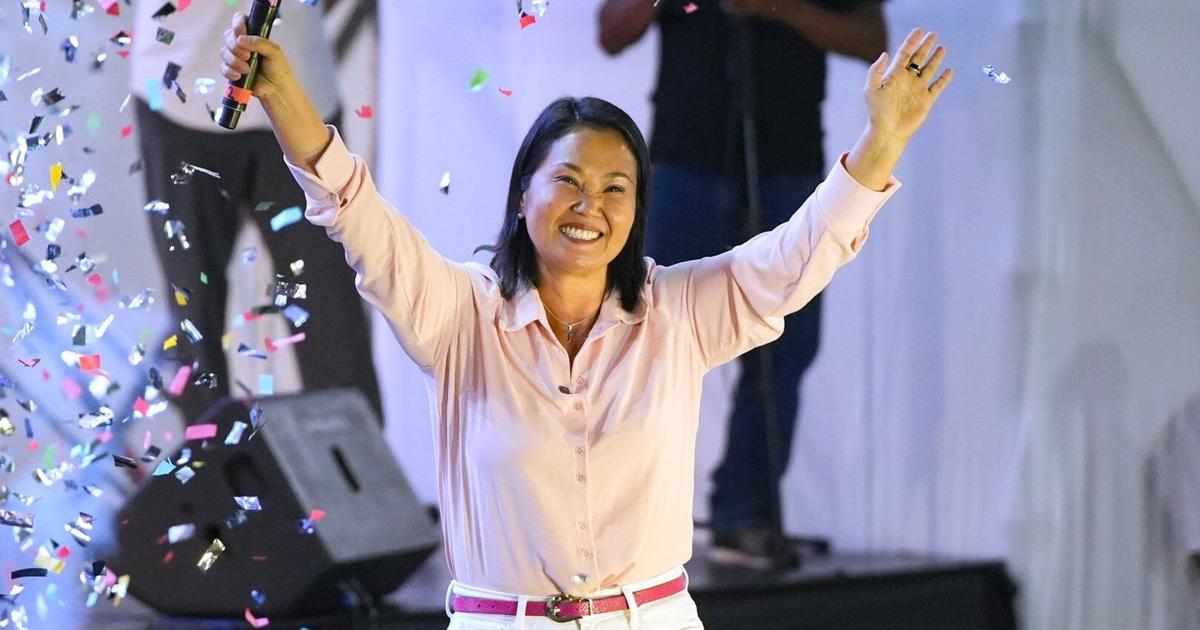
LIMA, Peru — Peru’s National Elections Board formally certified the results of the nation’s April presidential contest on Sunday, officially setting the stage for a high-stakes runoff election on June 7. The board confirmed that congresswoman Keiko Fujimori and former foreign trade minister Roberto Sánchez will advance to the final round, following an electoral process marked by narrow margins and persistent challenges from rival candidates.
The path to the runoff was cleared after the board verified counts that saw Fujimori, the daughter of the late President Alberto Fujimori, secure 17.19% of the vote. Sánchez, representing the Juntos por el Perú party, captured 12.03%. Both candidates surpassed a crowded field of 33 other contenders by focusing their platforms on a core voter priority: aggressive strategies to curb surging crime rates.
The June 7 runoff represents Keiko Fujimori’s fourth attempt to secure the presidency, highlighting her status as a polarizing but persistent fixture in Peruvian politics.
The road to this certification has not been without controversy. Recent efforts by third-place finisher Rafael López Aliaga to challenge the results through fraud allegations have been met with skepticism. While López Aliaga has pushed for the annulment of thousands of votes, European Union election observers and the Organization of American States (OAS) have reported no evidence of systemic irregularities, backing the legitimacy of the electoral board’s findings.
More than 70% of the electorate did not vote for either finalist in the first round, forcing both campaigns to embark on an urgent and complex coalition-building effort to win over voters ahead of June 7.
Economic stability remains a central campaign tension. While Peru’s mining-reliant economy has shown unexpected resilience, the country has endured a decade of institutional decay. The next administration will inherit a nation that has seen eight presidents in ten years, characterized by frequent clashes between the legislative and executive branches and violent social unrest that claimed 50 lives between 2022 and 2023.
Recent polling data suggests the electorate remains deeply divided. Projections from Reuters/Ipsos indicate a dead heat between the two finalists, with both Fujimori and Sánchez hovering around 38% in early runoff modeling. Analysts note that Sánchez is expected to consolidate support from the base of jailed former President Pedro Castillo, while Fujimori will likely attempt to align herself with the nation’s right-leaning voter blocks to overcome her narrow lead.
The electoral board’s decision to move forward despite external pressure from dissenting campaigns underscores the urgency of returning to institutional stability. With the mining sector driving a tenuous economic recovery, international observers are closely watching the June 7 vote to determine if Peru can finally move past its prolonged period of political paralysis.


