
Personal Journey into Ethical Non-Monogamy: Amanda’s Story
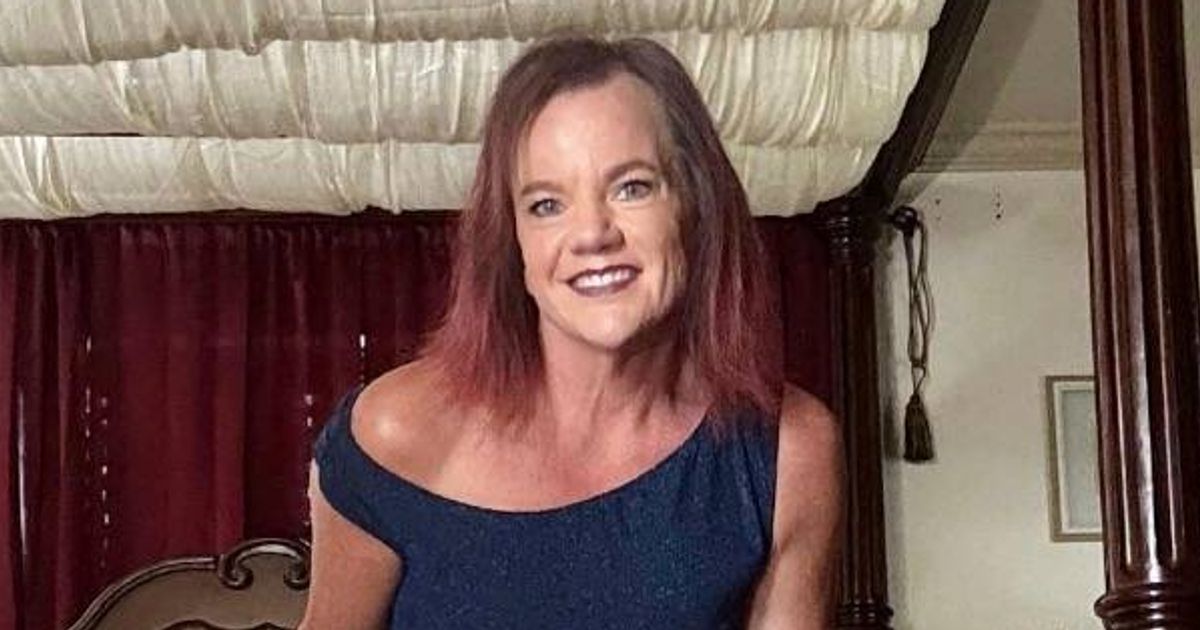
A 54-year-old Lincoln, US resident, known as Ms. Amanda, is challenging conventional perceptions of marriage and ethical non-monogamy. After two decades in a traditional marriage, Amanda has become a prominent voice in the swinging community, sharing her transition from a stay-at-home mother to a professional in the adult industry and CEO of Kasbh Inc.
In a recent appearance on the Happening Next Door podcast, Amanda revealed that her involvement in the lifestyle was initially met with hesitation. She credits her husband’s persistent encouragement for her eventual entry into the scene, noting that her reluctance was largely rooted in a lack of self-confidence.
“My husband was encouraging me for years to try the lifestyle but, in many ways, I lacked some of the confidence to try it. I didn’t think anyone would be interested in me. Finally I told my husband, ‘if you can find someone that would have sex with me’, I would try it. Four days later we had our first hook up and it was hot, and I was hooked.”
— Ms. Amanda, CEO / Podcast Guest
The swinging community is often misunderstood as being strictly focused on non-selective physical intimacy. However, participants argue that it is defined by a strong sense of community and the fundamental right to individual choice. The reality of the lifestyle often involves strong, unique social bonds and mutual care among members.
As the landscape of non-monogamy evolves, demographic shifts are becoming apparent. Researchers and participants alike note that younger generations are increasingly drawn to these dynamics, utilizing social media to redefine the culture. Amanda noted that younger participants are actively molding the lifestyle to align with modern life dynamics, moving away from historical stigmas.
Integration into the community can be surprising, with many newcomers encountering familiar faces from professional and social circles. Beyond social overlap, recent reports highlight that some couples turn to these arrangements when facing financial or emotional distress, viewing them as a practical alternative to separation. While some view the suggestion of swinging as intrusive—leading to interpersonal conflict—for couples like Amanda and her husband, the transition appears to have fortified their long-term partnership.
Amanda credits the longevity of her marriage to working at the relationship every day, emphasizing that the lifestyle remains separate from the core foundation of their union. She maintains that for their specific dynamic, the marriage remains the primary focus.
Statistics suggest that while swingers represent a minority of the population, they are far more widespread than public perception dictates. Whether viewed as a method to mend a fractured connection or as a personal exploration of autonomy, Amanda’s journey underscores a broader, shifting conversation regarding the definition of modern marriage and the boundaries of elective relationships.


