
Parents Lead Growing Push for Federal NICU Leave Law
WASHINGTON — For many parents, the birth of a child should be a moment of celebration. However, for those with newborns in the neonatal intensive care unit (NICU), it marks the beginning of an agonizing financial and logistical crisis. A growing movement is now seeking to address this, as advocates push for federal legislation to protect parents from being forced to choose between their jobs and their children’s lives.
The issue has gained significant momentum following recent policy wins in Colorado and Illinois. In January, Colorado became the first U.S. state to adopt paid NICU leave, allowing parents up to 12 weeks of additional time off beyond the state’s standard parental leave benefits. Meanwhile, Illinois is set to implement a policy next month granting parents between 10 and 20 days of unpaid, protected leave for NICU stays.
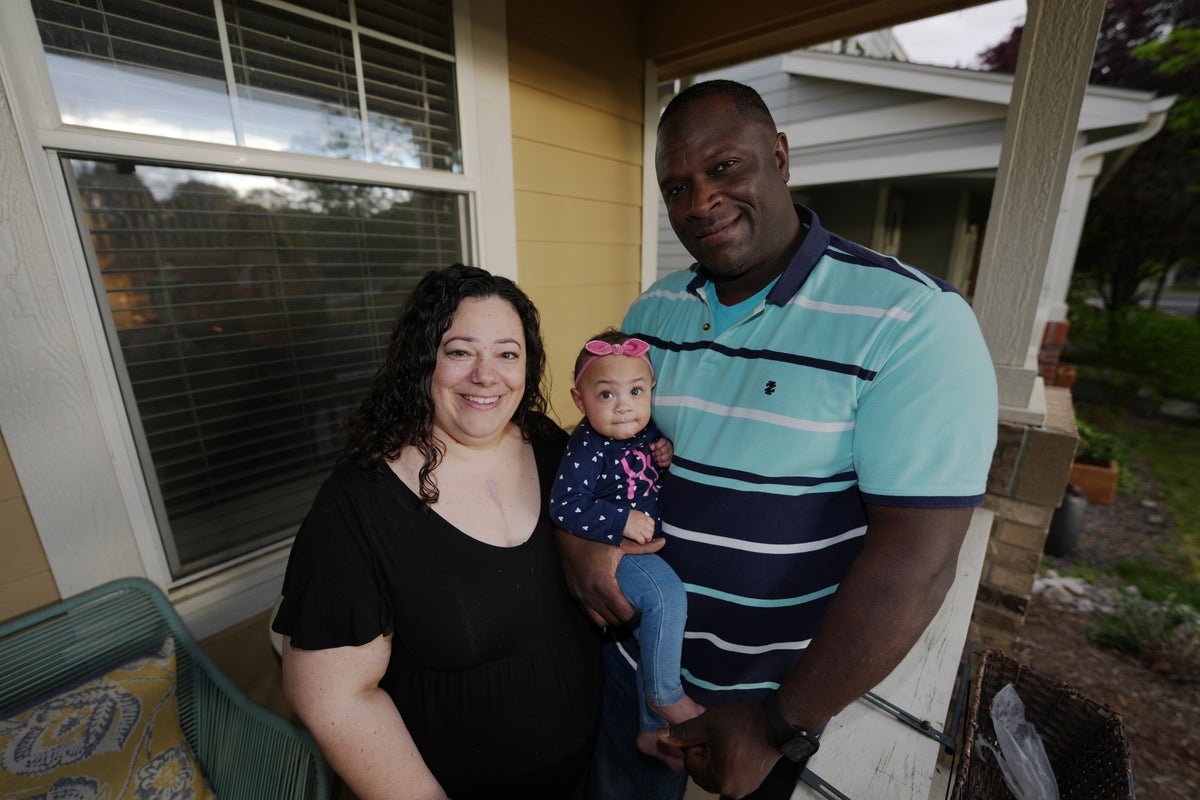
The push for these protections is deeply personal. Marlon White and his wife, Farra Lanzer-White, faced the harrowing reality of the current system after their daughter, Olivia, was born at 29 weeks weighing just two pounds. Forced to balance bedside vigil and professional responsibilities, the couple worked while their daughter fought for her life in a Denver hospital. Their experience mirrors thousands of others who choose to exhaust their leave time while their baby is in the ICU, leaving them with no days off once the infant is finally ready to move home.
Advocates, including the nonprofit group A Better Balance, are now pivoting to the nation’s capital, where they are championing a federal bill that would incorporate these protections into the 1993 Family and Medical Leave Act (FMLA).
“We think it’s promising in terms of bipartisan support, because as we’ve approached people, it seems that they intuitively understand it.”
— Inimai Chettiar, President of A Better Balance
U.S. Rep. Brittany Pettersen (D-CO) is spearheading the effort to draft federal legislation that would provide up to 12 weeks of dedicated NICU leave to eligible workers. Unlike broader, more polarized national paid-leave debates, proponents believe that NICU-specific leave carries cross-cutting appeal. By framing it as a targeted, common-sense family stability measure, supporters hope to avoid the partisan gridlock that has stalled comprehensive federal family leave mandates for decades.
The road to federal adoption remains complex. While Illinois’ unpaid leave bill saw overwhelming bipartisan support, Colorado’s paid model passed largely along party lines. This suggests that while there is broad agreement on the necessity of parental presence during medical emergencies, the debate over who shoulders the financial burden of paid leave remains a point of contention.
Current research suggests that these state-level precedents are vital. Because the U.S. lacks a federal mandate for paid parental leave, many working families are pushed to their breaking point by the economic strain of intensive infant care. By creating a federal precedent for NICU-specific time off, advocates hope to create a standard that protects the most vulnerable newborns and their families regardless of their state of residence or employment status.
As federal discussions commence, the focus remains on building a coalition that views NICU leave as a distinct, politically feasible policy that could serve as a down payment on a more robust national family leave framework.


