
Kelowna Clears Tent City to Reopen Rail Trail, Moving Residents to Transitional Sites
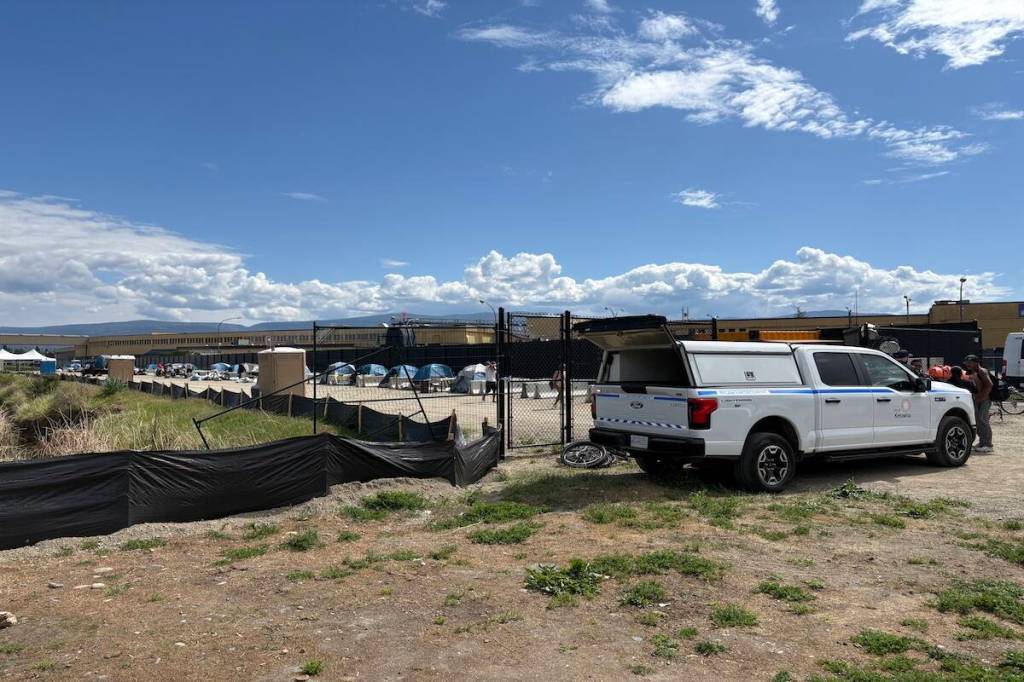
KELOWNA — Municipal authorities in Kelowna began the process of relocating residents from a long-standing northern tent city on Wednesday, aiming to clear a pathway for the long-awaited reopening of the city’s Rail Trail. The maneuver, overseen by bylaw services, marks a transition for dozens of individuals toward new temporary and supportive housing arrangements.
The relocation effort shifted residents to two primary sites on Weddell Place: a transitional support facility at 735 Weddell with capacity for 35 residents, and a temporary overnight sheltering site at 740 Weddell. Bylaw services supervisor Nick Bonnet, who was on-site coordinating the move, noted that the process benefited from weeks of advance communication and face-to-face outreach that began in early April.
“There are only a couple of spots remaining, and we’ve been out here for a couple of hours already. We expect to be finished today”
— Nick Bonnet, Bylaw Services Supervisor
The city’s decision to clear the encampment, which had shuttered a portion of the Rail Trail for several months, follows a history of complex interactions between municipal authorities and the local homeless population. While the current relocation is framed as a collaborative step involving partners like the Kelowna Gospel Mission, the city has faced previous scrutiny regarding its handling of encampments.
Key facts concerning the transition include:
- Strategic rehousing: The city is prioritizing filling the 35 spots at the transitional facility immediately to move residents away from the informal tenting site.
- Projected restoration: Access to the Rail Trail will be reassessed once the temporary overnight site is fully established, allowing officials to create a timeline for public reopening.
- Prior history: While this move is being characterized as structured and planned, the city has previously encountered criticism regarding the 2025 decampment of a similar site, where advocates raised concerns over communication and transparency.
The city has recently bolstered its efforts to accommodate unhoused residents through the introduction of 180 new shelter spaces at locations such as Stepplace, Place Trailside, and Balsam Place. These initiatives are intended to provide a bridge to more permanent housing, replacing the need for spontaneous outdoor encampments that often result in environmental and accessibility issues on public infrastructure.
“We’re able to build a good connection with people who use this space. A lot of face-to-face time and direct conversations. We’ve used letters and notices, partnering with the local not-for-profit sector and other partners to have that communication. It’s a lot of working together.”
— Nick Bonnet, Bylaw Services Supervisor
As the city continues to navigate the balance between public space management and humanitarian obligations, officials remain focused on the final phase of the transition. The success of this move will be measured not only by the reopening of the Rail Trail but by the long-term stability of the individuals transferred to the new Weddell Place facilities.


