
Binning Carrier Bags: Why Your Recycling Efforts May Be Backfiring
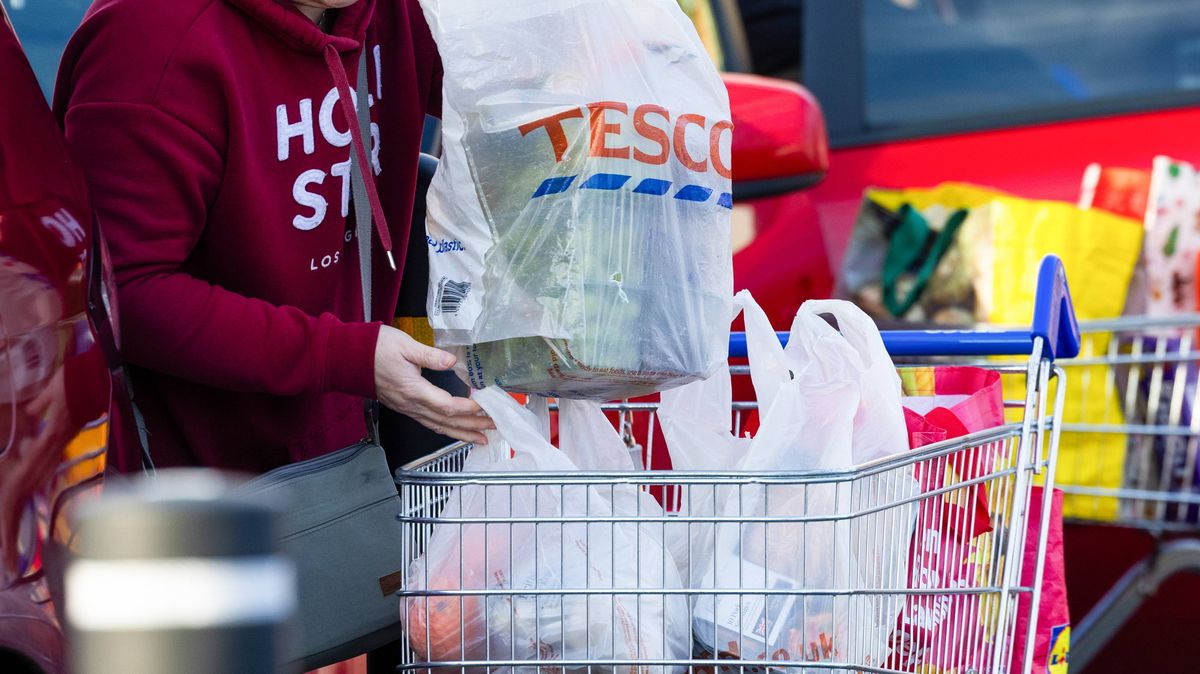
For many households, the kitchen under-sink cabinet serves as a graveyard for “bags for life” and assorted plastic carriers. While consumers often feel an environmental obligation to recycle these items, a viral debate fueled by social media experts reveals that many residents have been unknowingly sabotaging local waste management systems for years.
Known as ‘No1 Binman’ to his 170,000-plus TikTok followers, one waste collection specialist recently clarified a persistent point of confusion: supermarket carrier bags, while technically recyclable, should never be placed in your household curb-side recycling bins.
According to the expert, while plastic carrier bags can be processed, they pose a significant operational hazard at sorting facilities. The bags are notorious for wrapping around high-speed mechanical sorting equipment, leading to costly jams and frequent processing line shutdowns. Maintenance teams at material recovery facilities often cite these bags as a primary source of “contamination” that disrupts the efficiency of the entire sorting stream.
Instead of relying on curb-side collection, waste management guidance now encourages residents to utilize in-store supermarket return points, which are specifically equipped to handle thin plastic streams. If a return drop-off is unavailable, the most responsible disposal route is, perhaps counterintuitively, to place them in your general residual waste bin or—ideally—continue using them for their intended purpose until they reach the end of their lifecycle.
The guidelines for non-plastic alternatives are similarly nuanced, particularly regarding paper bags. Experts at Best Pac UK have clarified that while paper packaging is generally highly recyclable, the environmental benefit is lost if the bag is contaminated.
The great news for the environment is that yes, paper bags can be recycled, but only if they’re actually made from paper. Whilst most plastic bags, for example, are not recyclable, almost all types of paper bags can be recycled, helping to reduce the amount of plastic landfill sitting on the earth and polluting our oceans.
— Best Pac UK Specialists
A critical exception to the paper recycling rule is the laminated paper bag, commonly used for food products and perishables. These items are produced with an extra layer of plastic film coating, which renders them impossible to process in standard paper recycling streams and requires them to be disposed of as general refuse.
As municipalities continue to adjust to new national guidance, such as the UK’s “Simpler Recycling” initiatives, public confusion remains high. Local authorities emphasize that recycling rules vary by region and contractor; what is accepted in one district may not be in another. Officials consistently advise homeowners to consult their specific local council websites, as waste authorities often prioritize the operational reliability of their plants over the convenience of a single-stream collection system. Ultimately, if in doubt, keeping thin plastics out of the household recycling unit remains the safest way to ensure local centers operate without disruption.


