
Adapting Dystopia: ‘The Testaments’ TV Series Departs From Margaret Atwood’s Novel
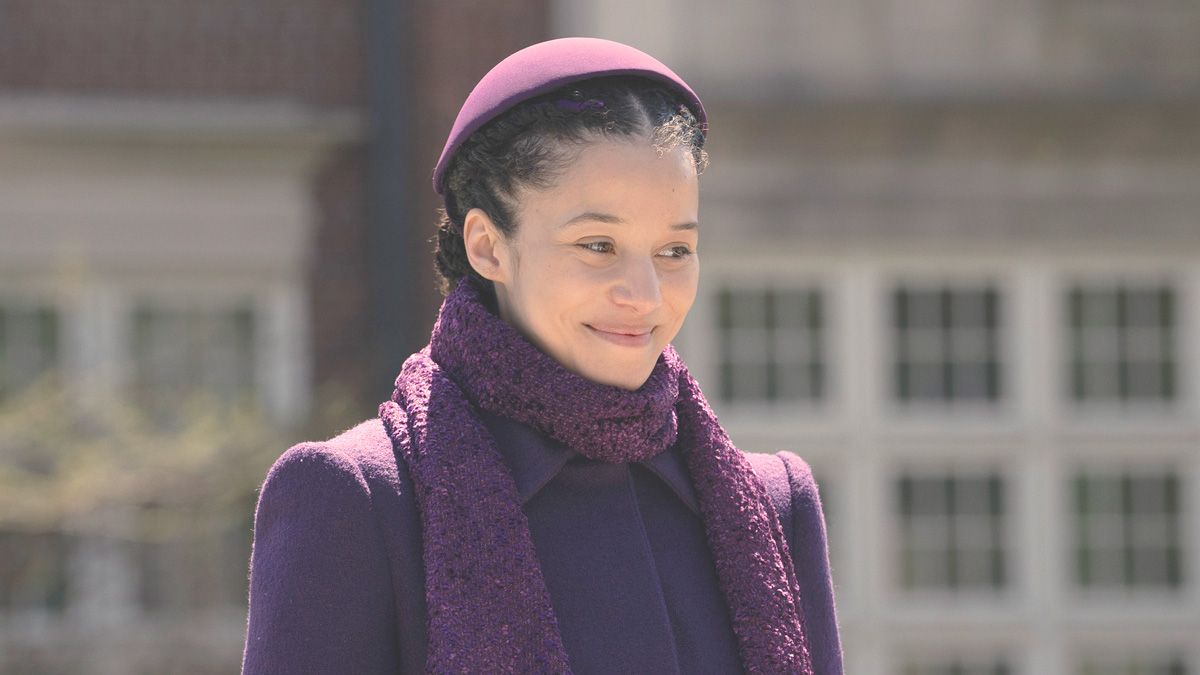
Following the conclusion of The Handmaid’s Tale last year, the highly anticipated sequel, The Testaments, has made its debut on Disney+ and Hulu. While the 10-part series draws from Margaret Atwood’s 2019 novel, producers have implemented significant departures from the source material to maintain the narrative momentum of the television franchise.
The most consequential shift is the show’s timeline. In the novel, the story occurs 15 years after the original uprising. The TV adaptation, however, compresses this gap to just four years after the series finale of The Handmaid’s Tale. This creative decision ensures that the political and social unrest in Boston remains fresh in the viewers’ minds, creating a more direct continuation of the previous show’s established stakes.
Key changes in the adaptation include:
- Timeline compression: The series takes place only four years post-series finale, rather than a 15-year leap as seen in the novel.
- Character identity shifts: The character Daisy (Lucy Halliday) is not the equivalent of the book’s character who is revealed to be Holly/Nichole, June’s daughter.
- Increased presence of June Osborne: Unlike the novel, where June appears primarily at the end, the TV series integrates her into the resistance efforts throughout the narrative.
- Cast and legacy updates: Characters like Nick Blaine, who remain alive in the literary version, were killed off during the final season of the television show.
The timeline adjustment also impacts character aging and development. Agnes Jemima (Chase Infiniti) remains a teenager in the show, whereas the character matures into her early 20s within the book’s timeline. Furthermore, because of the show’s tighter chronology, the character of Daisy is treated as a child Gilead is pursuing—likely one of the escapees from the “Angel’s Flight” operation featured in the original series—rather than the older version seen in Atwood’s text.
Research suggests that while the novel’s structure—which utilizes three distinct POVs from Agnes, Daisy, and Aunt Lydia—offers a more flexible narrative framework than the original series, the adaptation faces unique challenges. Without additional source volumes to draw from, critics have pointed to the risk of narrative dilution should the show attempt to stretch the plot across multiple seasons, as happened in the later, more heavily criticized seasons of The Handmaid’s Tale.
The show’s production team appears focused on bridging the gap between the end of the previous series and the world of The Testaments, particularly as they navigate the absence of major characters like Nick, who perished in an air strike. As the 10-part series progresses, viewers are seeing a version of Gilead that is both familiar to fans of the original show and a departure from the literary “future” imagined by Atwood, effectively creating a new, television-specific reality for the franchise.


